
Zugzwang is one of chess's most powerful and mysterious weapons. It forces your opponent into a position where every move they make worsens their situation - and the player who truly understands it gains a decisive edge in hundreds of endgame and even middlegame positions. In this guide, you will learn exactly what zugzwang is, how to recognize it, how to create it, and how to use it to win games you might otherwise draw.
What Is Zugzwang in Chess and Why Does It Matter?
Zugzwang is a situation in chess where the player whose turn it is to move is at a disadvantage because they are forced to make a move that worsens their position - if they could simply pass, they would be fine. The word comes from German and literally means "compulsion to move." In zugzwang, every legal move available hurts you, but the rules of chess require you to move.
This concept matters enormously because chess does not allow passing turns. In many board games you can skip a turn when moving would hurt you. In chess, that is illegal. If it is your move, you must move something - even if every option damages your position. This rule is the foundation that makes zugzwang possible, and understanding it unlocks a completely new layer of chess strategy.
Zugzwang appears most frequently in endgames, where each player has very few pieces left and the king becomes an active fighting piece. When the board is crowded with pieces in the middlegame, there are usually many moves available that are roughly neutral, so pure zugzwang is rare. But strip the board down to a few pawns and kings, and suddenly every single move has major consequences.
"The greatest secret of the endgame is zugzwang - the moment your opponent runs out of good moves and every step they take leads them closer to defeat."
Zugzwang is not just a fancy term - it is a concrete, practical weapon. Any player who understands it can force wins in positions that look like draws to those who do not.
What Are the Different Types of Zugzwang You Need to Know?
There are two main types of zugzwang in chess: mutual zugzwang and one-sided zugzwang. Understanding the difference between them helps you recognize which kind you are dealing with and what strategy to apply.
One-Sided Zugzwang
One-sided zugzwang is the most common form. Only one player is in zugzwang - the other player would be perfectly happy to move if they could, but it happens to be the opponent's turn and every move they have hurts them. This is the type you actively try to engineer against your opponent. A classic example is the basic king-and-pawn endgame where you maneuver your king to place your opponent in a position where their king must give ground.
Mutual Zugzwang
Mutual zugzwang - sometimes called "trebuchet" in pawn endgames - is rarer and more exotic. In this situation, whichever side is forced to move loses or gives up a decisive advantage. The outcome of the entire game depends on whose turn it is. These positions are fascinating theoretical puzzles and often appear in composed endgame studies. In a mutual zugzwang pawn race, the player who has to move first actually loses the race because they push their pawn prematurely.
Partial Zugzwang
Partial zugzwang occurs when a player has some moves available that do not hurt them, but also has critical squares or pieces they cannot move without serious damage. The player can delay but cannot escape the eventual full zugzwang. Recognizing partial zugzwang is important because it tells you that you need to eliminate your opponent's "waiting moves" before the zugzwang becomes decisive.
Pro tip: When you think you have a zugzwang position, always check whether your opponent has a neutral "waiting move" somewhere - a pawn push or piece shuffle that does not damage their position. If they do, it is only a partial zugzwang and you need to eliminate that escape first.
How Does Opposition Work and Why Is It the Key to Zugzwang?
Opposition is the single most important tool for creating zugzwang in king-and-pawn endgames. Two kings are in opposition when they stand on the same rank, file, or diagonal with exactly one square between them, and it is the other player's turn to move. The player whose turn it is does NOT have the opposition - they are forced to give way.
When you have the opposition, your opponent's king must move aside. This is a form of zugzwang applied specifically to kings. Here is the simplest example:
- White king on e5, Black king on e7 - it is Black to move
- White has the opposition because there is one square (e6) between the kings on the same file
- Black must move to d7 or f7, allowing White's king to advance to d6, e6, or f6
- This gives White control of key promotion squares
There are three types of opposition worth memorizing:
- Direct opposition - kings separated by one square on the same rank or file
- Distant opposition - kings separated by three or five squares (odd number) on the same rank or file
- Diagonal opposition - kings diagonally placed with the same color of square between them
Distant opposition matters because you can use it to maneuver into direct opposition when your opponent is forced to move. If White king is on e1 and Black king is on e5 and it is Black to move, White already has the distant opposition. As Black moves, White mirrors the movement to maintain the opposition relationship until the kings are adjacent.
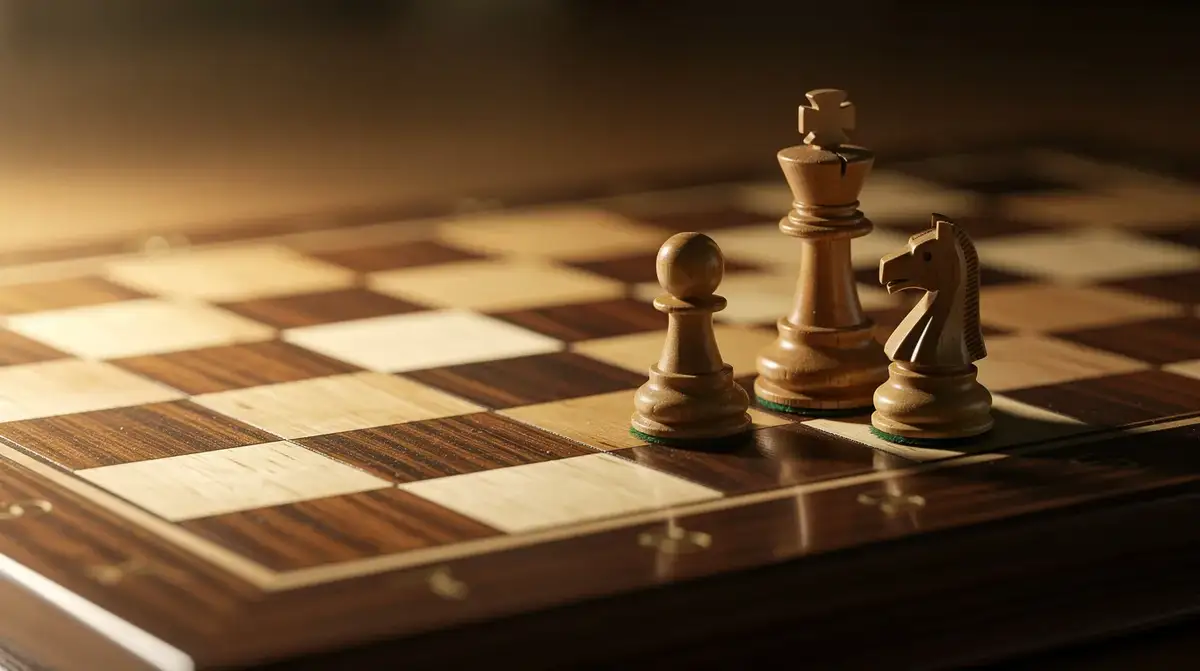
Mastering opposition is the single fastest way to improve your endgame conversion rate. If you can reliably calculate and achieve opposition, you will win dozens of endgames that you currently draw.
How Do You Practically Force Zugzwang Against Your Opponent?
Forcing zugzwang is a skill that involves triangulation, waiting moves, and precise king maneuvering. The core technique is called triangulation, and it works when your king can reach the same square via two different routes - one taking an odd number of moves and one taking an even number - while your opponent's king is restricted to a smaller area and cannot do the same.
The Triangulation Technique
Triangulation means moving your king in a triangle - three moves that return it to the same square - to effectively "waste" a tempo and transfer the obligation to move to your opponent. Here is a step-by-step breakdown:
- Identify that you have the position to win IF it were your opponent's turn to move
- Find a triangle of three squares your king can visit without disturbing your winning setup
- Confirm that your opponent's king cannot mirror this triangulation (it is restricted in its movement)
- Execute the triangle: move your king from square A to B to C and back to A - this uses 3 moves
- Now it is your opponent's turn on the same position, but they have used 3 moves too - except for them, every move weakens their structure
The Classic King-Pawn Zugzwang: A Concrete Example
Consider White king on d4, White pawn on e4, Black king on d6. If it is Black to move, Black is in zugzwang. Black king on d6 has these options:
- Kc6 - White plays Ke5 and queens the pawn easily
- Ke6 - White plays Kc5 and the pawn queens via e5-e6-e7-e8
- Kc5 - White plays Ke5 and Black cannot stop e4-e5-e6-e7-e8
- Ke5 - White plays Ke3 and the pawn advances comfortably
But if it is White to move in this exact position, White cannot make progress because Black mirrors White's king and holds the opposition. This is a mutual zugzwang - whoever moves loses. White needs to arrive at this position with Black to move, and that requires precise triangulation earlier in the endgame.
Common trap: Many players see a zugzwang position and immediately rush their king toward it, only to find they arrive with the wrong turn - meaning it is THEIR move in the position and they are the ones in zugzwang. Always count the tempo carefully before committing to your plan.
Using Pawn Moves as Tempo Tools
One underrated zugzwang technique involves pawn moves. Pawns can only move forward and cannot move backward, which means each pawn move you make is a permanent commitment. If you have multiple pawns, you can sometimes use a pawn push as a tempo-gaining or tempo-wasting tool to transfer the move to your opponent. However, this only works if you have pawn moves available that do not damage your position - once you push a pawn, you cannot take it back.
Which Classic Zugzwang Positions Should Every Chess Player Study?
Studying classic zugzwang positions is the fastest way to develop an intuitive feel for when these situations arise. The following positions appear repeatedly in real games and form the foundation of endgame mastery.
The Rook Pawn Exception
A king with a rook pawn (a-pawn or h-pawn) and a bishop that does not control the queening square creates a special type of zugzwang-adjacent draw. The defending king simply sits in the corner, and no amount of zugzwang maneuvering can dislodge it because the pawn queens on a square the bishop cannot cover. Knowing this saves you from wasting time in drawn positions.
The Queen vs. Rook Endgame Zugzwang
In queen vs. rook endgames, the winning technique involves a recurring pattern where the defending side is forced into zugzwang - their rook must either move away from the king (allowing a fork or skewer) or their king must step into a dangerous square. This endgame theoretically takes up to 35 moves with perfect play, and zugzwang is the mechanism that drives the win at every stage.
Rook Endgame Zugzwang: Lucena and Philidor
The famous Lucena and Philidor positions in rook endgames both involve zugzwang ideas. In the Philidor defensive position, the defending rook switches from the third rank to the back rank at exactly the right moment - if the defender moves too early or too late, they fall into zugzwang and lose. Understanding the tempo sensitivity of these positions saves draws and wins won positions.
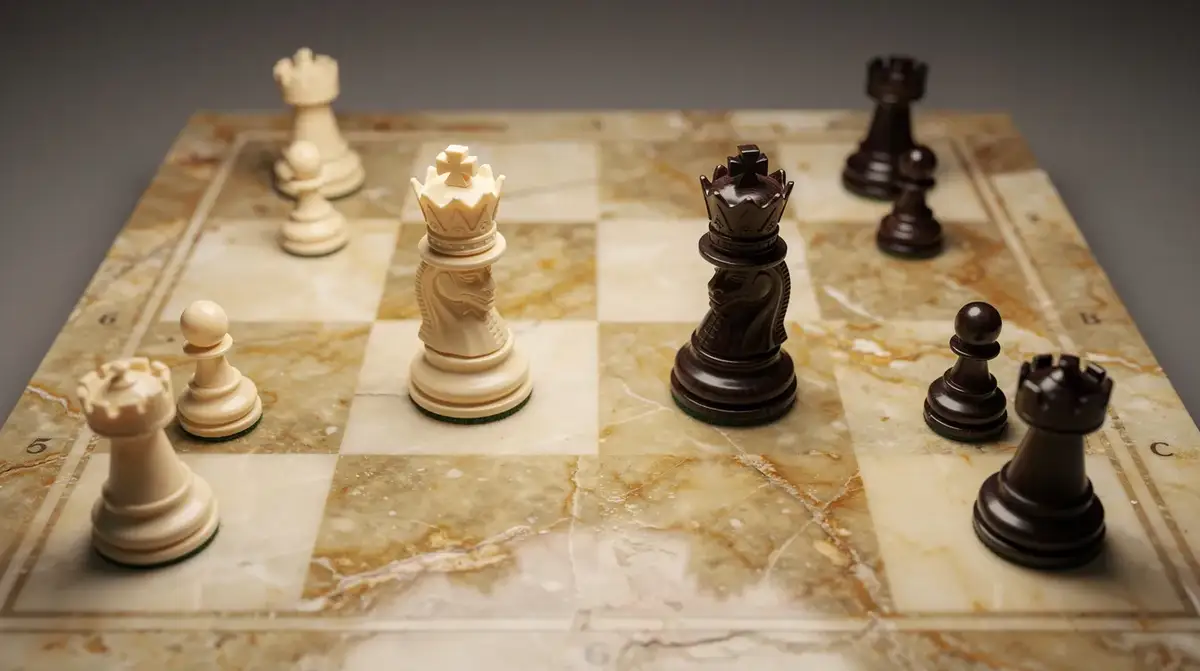
Pro tip: The best way to internalize these classic positions is through structured endgame training rather than just reading about them. Our endgame training module includes 30+ classic positions with three difficulty tiers - including zugzwang scenarios you can practice interactively.
Can Zugzwang Occur in the Middlegame Too?
Yes - zugzwang can occur in the middlegame, though it is far rarer than in endgames. Middlegame zugzwang typically happens when a player has created an extremely strong positional bind that restricts all of their opponent's pieces simultaneously. The opponent's position is technically still legal to play, but every move they can make either loses material, collapses a pawn structure, or allows a decisive tactical blow.
Positional Bind as a Form of Zugzwang
A positional bind is not pure zugzwang (the opponent still has moves), but it creates a "practical zugzwang" where no move improves the situation. Great positional players like Anatoly Karpov were famous for creating these suffocating positions. Karpov would restrict his opponent piece by piece until they had only bad moves left - no single move caused immediate disaster, but collectively the position crumbled.
Pawn Structures That Create Zugzwang-Like Pressure
Certain pawn structures are inherently zugzwang-prone. A player with a pawn majority that is completely blocked and has no piece moves faces a form of positional zugzwang - any pawn push creates a weakness, but no other move is constructive. Look for positions where your opponent:
- Has only pawn moves available in a sector of the board
- Has a rook that must defend a pawn and cannot leave
- Has a bishop locked behind its own pawns with nowhere useful to go
- Has a king that is tied to defending a weakness
When your opponent's pieces are all "frozen" in defensive roles and their pawns can only create weaknesses, you have achieved a middlegame equivalent of zugzwang - even if it is not technically pure zugzwang.
How Can You Train Your Zugzwang Recognition and Calculation?
Training zugzwang requires hands-on practice with concrete positions rather than just theoretical reading. The best approach combines puzzle solving, endgame study, and playing against opponents who challenge your endgame technique.
Puzzle Training for Zugzwang Patterns
Start with tactical puzzles that specifically involve forcing your opponent into a losing position through tempo play. Many puzzle sets include zugzwang themes under categories like "king maneuvering" or "endgame tactics." Working through these puzzles builds the pattern recognition that allows you to spot zugzwang opportunities mid-game without needing to calculate every variation from scratch.
Our chess puzzles and tactics trainer includes puzzles covering deflections, discovered attacks, and positional themes that often connect directly to zugzwang ideas - particularly in endgame tactical puzzles where forcing the king to move is the winning idea.
Playing Against AI to Practice Endgame Technique
One of the most effective ways to practice zugzwang is to play endgames against AI opponents that simulate real human play. Engine-style AI often defends "perfectly" in a way no human would, which can make practice feel artificial. Human-like bots that make realistic defensive mistakes give you the opportunity to practice identifying and exploiting zugzwang opportunities the way you would in a real game.
Our human-like chess bots - including the Endgame Challenger - are trained on real human games, so they create genuine endgame problems rather than just calculating perfectly to the end. The Endgame Challenger specifically tests your ability to convert winning endgames, many of which require zugzwang techniques.
Using a Game Analyzer to Find Missed Zugzwang
After you play a game with an endgame that you drew or lost, run it through a game analyzer to identify moments where zugzwang was available but you missed it. Look for positions where the engine evaluation changes dramatically based on whose turn it is - that is a strong indicator of a zugzwang or mutual zugzwang position. Our game analyzer classifies moves and highlights missed tactical opportunities, including endgame technique errors that often involve zugzwang concepts.
Pro tip: After analyzing your games, make a personal library of zugzwang positions from your own games. Positions you have actually played are far more memorable than abstract textbook examples - and you are likely to encounter similar pawn structures and king positions again in future games.
What Are the Most Common Mistakes Players Make When Trying to Create Zugzwang?
The most common mistake when trying to create zugzwang is miscounting tempos during triangulation, which causes you to arrive in the target position with the wrong side to move. Several other recurring errors also derail players who understand zugzwang conceptually but struggle to apply it precisely.
Mistake 1 - Ignoring the Opponent's Waiting Moves
Before committing to a zugzwang plan, always check whether your opponent has neutral pawn moves or piece shuffles that let them wait without weakening their position. If they do, you must eliminate those escape valves first. Many players calculate the zugzwang for their own pieces but forget to check whether the opponent can simply push a random pawn and force you to repeat the maneuver - or worse, disrupt your triangulation entirely.
Mistake 2 - Trying to Force Zugzwang Too Early
Zugzwang requires that your opponent have no good moves. If the position still has tension - hanging pieces, unresolved pawn breaks, open lines - then zugzwang is not yet achievable. Simplify the position first, establish a clear strategic advantage, and only then pursue the zugzwang. Trying to force it prematurely often results in giving your opponent unexpected counterplay.
Mistake 3 - Confusing Zugzwang with Simple Time Trouble
When an opponent is running low on time, they may make bad moves that look like zugzwang but are actually just time pressure errors. This is not zugzwang - it is a time management failure. True zugzwang exists in the position itself, regardless of the clock. Make sure your winning plan works in the position itself, not just because your opponent is panicking on the clock.
Common trap: Do not confuse having the opposition with having zugzwang. Opposition is a tool for creating zugzwang, but having the opposition in a specific position does not always mean your opponent is in zugzwang. There must be no neutral moves available for the opposition to translate into a genuine forced win.
What Is the Step-by-Step Process for Converting a Zugzwang Advantage Into a Win?
Converting a zugzwang advantage into a full point requires a clear, systematic process. Follow these steps consistently and you will dramatically improve your endgame conversion rate.
- Identify the target position - find the specific position where your opponent will be in zugzwang, with every legal move losing. Visualize this clearly before you start maneuvering.
- Count the tempos - determine how many moves it takes to reach the target position, and confirm that you will arrive with your opponent to move, not yourself.
- Eliminate escape squares and waiting moves - systematically close off any neutral pawn advances or piece shuffles your opponent could use to delay. This often means fixing their pawns on squares where they cannot advance harmlessly.
- Choose your triangulation route - if you need to lose a tempo, identify the triangle your king can walk. Make sure your opponent's king cannot triangulate in the same way to neutralize your tempo loss.
- Execute the approach - move toward the target position step by step, maintaining opposition where relevant and recalculating the tempo count at each step.
- Verify at each move - before each move, confirm your opponent still has no escape. Positions can change if you miss a resource.
- Convert material or promote - once your opponent is genuinely in zugzwang and makes a weakening move, immediately exploit the resulting weakness or promotion opportunity without hesitation.
Zugzwang positions do not play themselves. Even when you have the perfect setup, you must execute the conversion precisely. Systematic tempo counting and the seven-step process above turn theoretical knowledge into real wins on the board.
Frequently Asked Questions About Chess Zugzwang
Is zugzwang only useful in endgames?
Zugzwang is most commonly decisive in endgames because few pieces mean fewer available moves. However, positional bindsthat create "practical zugzwang" occur in the middlegame too, particularly in closed positions with locked pawn structures. Understanding zugzwang principles improves your positional play at every stage of the game.
How long does it take to learn zugzwang properly?
The basic concept of opposition and simple king-pawn zugzwang can be learned in a single study session of one to two hours. Developing reliable recognition and triangulation skills in practical games typically takes several weeks of consistent endgame practice. Advanced zugzwang scenarios in rook and queen endgames require months of dedicated study.
Can computers be put in zugzwang?
Yes - zugzwang is an objective property of a position, not a psychological phenomenon. Chess engines are in zugzwang if the position itself has that property. This is why training against engines or strong AI bots in endgame positions that feature zugzwang is genuinely useful - the position forces certain responses regardless of whether your opponent is human or machine.
What is the difference between stalemate and zugzwang?
Stalemate occurs when a player has NO legal moves and is not in check - the game is immediately drawn. Zugzwang occurs when a player HAS legal moves but every legal move worsens their position - the game continues and the player in zugzwang typically loses. Stalemate is an escape; zugzwang is a trap. Interestingly, stalemate can sometimes be the only defensive resource when you are in deep zugzwang.
How do I avoid falling into zugzwang myself?
The best defenses against zugzwang are maintaining pawn breaks (having pawn moves available as waiting moves), keeping your king active and flexible, and counting tempos when you see your opponent trying to triangulate. If you recognize that your opponent is maneuvering to put you in zugzwang, preemptively break the position open with a pawn advance or piece activity before they complete the maneuver.
Zugzwang is the hidden weapon that separates good endgame players from great ones. Start by practicing king opposition in simple king-and-pawn positions, then progress to triangulation exercises, and finally tackle the classic rook and queen endgame zugzwang scenarios. Our endgame training covers 30+ classic positions across three difficulty tiers - including zugzwang themes you can practice with immediate feedback. Combine that with our chess learning course for puzzles and endgames and you will build the complete endgame toolkit that turns drawn positions into wins.